Understanding the Role of Community in Healing
The journey to healing, particularly for veterans, can be complex and layered. As these individuals transition back to civilian life, they often face unique challenges that can hinder their mental well-being. Veterans For Healing is an initiative designed to address these needs, focusing on the importance of community support in the healing process. By connecting veterans with one another, this program fosters a sense of belonging and understanding, essential for effective recovery.
What is Veterans For Healing?
Veterans For Healing is a specialized program aimed at providing mental health support to veterans through community-based initiatives. It serves as a platform where veterans can come together to share their experiences, discuss challenges, and explore healing modalities tailored to their unique needs. By creating a safe environment, the program promotes open communication and encourages participants to engage in various activities designed to support emotional and psychological well-being.
The Importance of Support Networks for Veterans
Support networks play a crucial role in the healing process for veterans. Many veterans experience feelings of isolation after returning from service, often struggling to relate to those who have not shared similar experiences. Having a community that understands these challenges can significantly improve their mental health outcomes. Support networks provide not only emotional support but also practical assistance, helping veterans navigate the complexities of daily life.
Common Misconceptions About Healing Communities
There are several misconceptions about healing communities, particularly concerning their effectiveness and accessibility. Some believe that such programs are only for those who are severely affected by trauma, while in reality, they can be beneficial for all veterans. Others may think that joining a healing community requires a formal diagnosis, which can be a deterrent for many. Education about these programs is vital, as it can encourage more veterans to seek help and engage in supportive environments.
Effective Strategies for Mental Well-Being
Finding effective strategies for mental well-being is essential for veterans seeking to improve their quality of life. Incorporating mindful practices, resilience-building activities, and learning from real-world success stories can illuminate paths to healing that resonate deeply with veterans.
Mindfulness Practices for Veterans For Healing
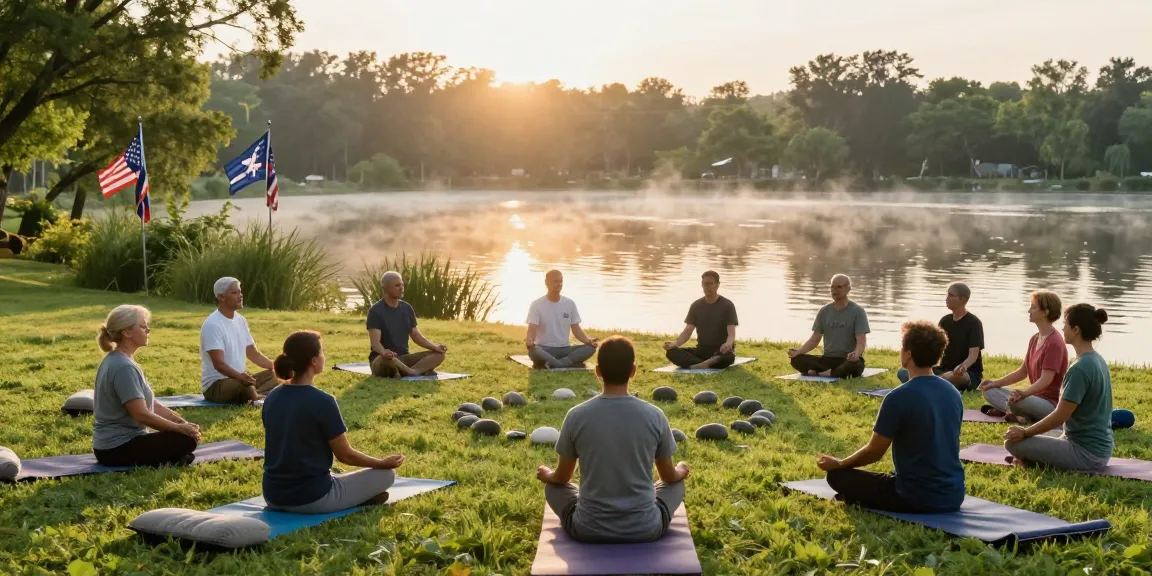
Mindfulness practices, such as meditation, yoga, and deep-breathing exercises, have been shown to reduce symptoms of anxiety and depression. These techniques encourage veterans to stay present, helping them manage the overwhelming emotions that often accompany their experiences. By incorporating mindfulness into daily routines, veterans can cultivate a greater sense of peace and resilience.
Building Resilience Through Shared Experiences
Shared experiences foster resilience among veterans. Programs like Veterans For Healing create opportunities for participants to bond over their stories, providing them with a sense of community that reinforces their strength. When veterans share their journeys, they not only validate each other’s feelings but also build a collective resilience. This shared understanding can lead to improved coping mechanisms and a stronger resolve in facing life’s challenges.
Real-World Examples of Healing Success
Success stories from veterans who have participated in healing programs can be incredibly inspiring. Many veterans have reported significant improvements in their mental health after engaging in community activities, workshops, and support groups. These testimonials highlight how communal healing efforts can lead to lasting positive change, encouraging others to take the crucial step towards seeking help.
Combatting Challenges in the Healing Process
While many veterans seek support, they often encounter a range of challenges that can hinder their progress. Identifying and addressing these barriers is essential for fostering a more welcoming and effective healing environment.
Identifying Barriers to Participation in Healing Programs
Common barriers to participation in healing programs include lack of awareness, stigma, and logistical challenges. Many veterans may not know about the resources available to them, while others may feel embarrassed to seek help due to societal perceptions. Addressing these hurdles involves increasing awareness of the benefits of participation and creating more accessible options for veterans.
Addressing Stigma Associated with Seeking Help
Stigma surrounding mental health remains a significant hurdle for many veterans. It is crucial to promote open discussions about mental health within the veteran community and beyond. By challenging misconceptions and encouraging acceptance, it is possible to create a culture where seeking help is viewed as a strength rather than a weakness.
How to Overcome Personal and Social Obstacles
Overcoming personal and social obstacles requires a multifaceted approach. Veterans can benefit from mentoring programs, peer support groups, and community outreach initiatives that provide guidance and support as they navigate their healing journeys. Encouraging veterans to share their stories can also help reduce feelings of isolation, ultimately leading to greater engagement in healing programs.
Best Practices for Establishing Supportive Environments
Creating an environment that fosters healing is essential for the success of any community initiative. Best practices can ensure that these environments are inclusive and supportive for all participants.
Creating Safe Spaces for Open Dialogue
Safe spaces are vital for fostering open dialogue among veterans. These environments allow individuals to express their thoughts and feelings without fear of judgment. Establishing ground rules for respect and confidentiality encourages participation and builds trust within the group.
Utilizing Nature as a Healing Element
Incorporating nature into healing practices can enhance the emotional and psychological benefits for veterans. Nature walks, gardening, and outdoor group activities can provide therapeutic experiences that promote relaxation and reduce stress. The connection to nature can serve as a powerful healing tool, encouraging mindfulness and reflection.
Incorporating Art and Expression in Group Activities
Art therapy and other forms of creative expression can be incredibly beneficial for veterans. Engaging in artistic activities allows participants to communicate feelings that they may struggle to articulate verbally. It can also encourage self-discovery and emotional release, creating a rich canvas of shared experiences that bond the group together.
Looking Ahead: The Future of Healing for Veterans
As we progress towards 2026, the landscape for veteran support initiatives is evolving. Several emerging trends and innovations promise to enhance the effectiveness of healing programs.
Emerging Trends in Veteran Support Initiatives by 2026
Future initiatives will likely focus on holistic approaches, integrating mental health services with physical health and wellness programs. There will also be an increased emphasis on preventative care, with programs designed to help veterans not only recover but thrive in their post-service lives. Additionally, more community-driven efforts are expected to emerge, allowing veterans to take charge of their healing experiences.
Technology’s Role in Facilitating Healing Communities
Technology is poised to play a transformative role in connecting veterans with resources and support networks. Online platforms can provide access to virtual therapy sessions, educational webinars, and support groups, making participation more accessible than ever. This tech-driven approach can bridge geographical divides, bringing veterans together regardless of their location.
How to Stay Engaged with Evolving Resources
Staying informed about the latest resources and initiatives is essential for veterans seeking support. Regularly visiting dedicated websites, joining mailing lists, and participating in online forums can help veterans remain engaged with evolving resources. Actively engaging with the community not only enriches their healing journey but also ensures they are aware of the full spectrum of support available to them.
What types of activities are included in Veterans For Healing?
Veterans For Healing includes a variety of activities designed to promote mental well-being, including support groups, mindfulness workshops, and outdoor therapeutic activities. These programs cater to diverse preferences and allow veterans to connect in meaningful ways.
How does community support impact mental health for veterans?
Community support significantly impacts the mental health of veterans by providing a network of understanding and shared experiences. Participating in a supportive environment can enhance feelings of belonging, reduce isolation, and provide practical coping strategies, ultimately leading to better mental health outcomes.
What are the long-term benefits of participating in healing programs?
Long-term benefits of participating in healing programs can include improved emotional regulation, stronger interpersonal relationships, and enhanced coping skills. Many veterans find that these programs foster a sense of purpose and community, leading to sustained mental wellness beyond the initial healing period.
How can I get involved in Veterans For Healing?
Getting involved in Veterans For Healing can be as simple as reaching out through their website, participating in community events, or volunteering to support ongoing initiatives. There are numerous pathways to engagement, allowing veterans to find their niche within the program.
What resources are available for veterans seeking healing support?
Numerous resources are available for veterans seeking healing support, including local VA facilities, nonprofit organizations, and online platforms dedicated to veteran wellness. These resources often provide tailored programs, peer support groups, and access to mental health professionals.