Understanding Metal Roof Renovation
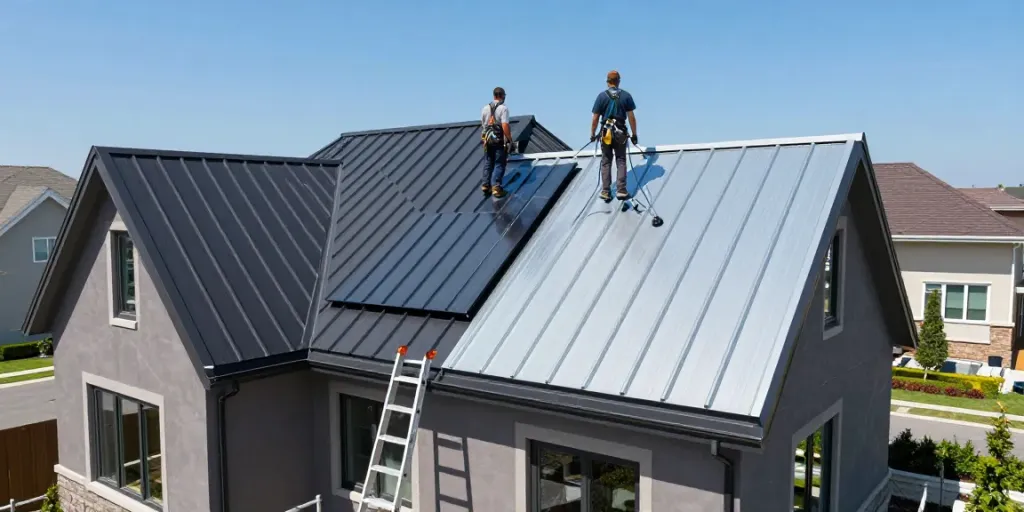
Metal roof renovation is an increasingly popular choice among homeowners looking to enhance the durability and aesthetic appeal of their homes. In essence, this process involves updating an existing metal roofing system, either through refinishing, restoring, or even replacing portions of the roof. As homeowners become more aware of the benefits that metal roofing offers, such as longevity and energy efficiency, the demand for Metal Roof Renovation continues to grow, particularly in areas prone to extreme weather conditions.
What is Metal Roof Renovation?
Metal roof renovation encompasses a variety of activities aimed at improving the performance and appearance of metal roofs. This can include cleaning, repairing, or completely replacing metal panels and coatings. Unlike traditional roof renovations, metal roof renovations can be less invasive and often do not require the removal of existing roofing material, allowing for quicker installation and reduced waste.
Common Reasons for Renovating Metal Roofs
- Wear and Tear: Over time, even the most durable roofs can experience damage from weather elements like hail, wind, and snow.
- Energy Efficiency Improvements: Many homeowners seek to enhance the energy efficiency of their homes, and older metal roofs may not reflect solar radiant heat as effectively as newer systems.
- Aesthetic Upgrades: Renovation can refresh the look of a home, often improving curb appeal significantly by choosing modern finishes or colors.
- Preventive Maintenance: Renovating a roof before significant problems arise can extend its lifespan and prevent costly repairs in the future.
Benefits of Choosing Metal Roofs for Renovation
Opting for a metal roof during renovation offers numerous advantages, including:
- Longevity: Metal roofs can last 50 years or more with proper maintenance, making them a cost-effective investment.
- Durability: Metal is resistant to fire, pests, and rot, providing excellent protection against the elements.
- Energy Efficiency: Reflective metal roofing can reduce cooling costs significantly by minimizing heat absorption.
Key Features of Standing Seam Metal Roofs
Durability and Long Lifespan
Standing seam metal roofs are particularly recognized for their durability, designed to withstand extreme weather conditions encountered throughout the year. Made from high-quality materials such as galvanized steel, these roofs are engineered to resist rust, corrosion, and severe impact from hail. The vertical panels interlock to create a seamless surface that repels rain and snow effectively, which is crucial for regions with harsh winters. This construction not only enhances the lifespan of the roof but also minimizes the risk of leaks—a common issue with traditional roofing systems.
Energy Efficiency and Sustainability
In today's eco-conscious world, energy efficiency is a paramount consideration for homeowners. Standing seam roofs excel in this regard; they can reflect solar heat, which helps keep homes cooler in warmer months, thereby reducing energy consumption for air conditioning. Furthermore, when paired with proper insulation, they can contribute to maintaining warmth in winter, demonstrating their capability as an all-season energy solution.
Aesthetic Appeal and Customization Options
Beyond functionality, standing seam metal roofs offer aesthetic benefits that many homeowners find appealing. Available in a wide variety of colors and finishes, these roofs can be customized to match the architectural style of any home. Whether aiming for a sleek modern appearance or a more traditional look, standing seam roofs provide flexibility, allowing homeowners to enhance their property's curb appeal without compromising durability.
Installation Process and Considerations
Steps in the Metal Roof Renovation Process
The installation process for renovating a metal roof typically involves several key steps. Initially, a thorough inspection of the current roof condition is essential to identify any potential structural issues. Next, any necessary repairs are addressed, including replacing damaged panels or updating the underlayment for better insulation. Following this, the new metal roofing material is installed, ensuring it complies with local building codes and standards. Finally, a meticulous inspection guarantees that everything is sealed and secure, providing peace of mind for homeowners.
Choosing the Right Contractor for Installation
Selecting a qualified contractor for metal roof renovation is crucial. Look for professionals who are experienced and certified in installing metal roofs, as they will have a deeper understanding of the nuances involved, including local weather conditions and building regulations. Checking online reviews and asking for references can help ensure you choose a reputable contractor who will complete the job effectively and efficiently.
Inspection and Maintenance Tips Post-Renovation
Once the renovation is complete, ongoing maintenance is key to maximizing the lifespan of your metal roof. Regular inspections, particularly after severe weather, can help catch potential issues early. Homeowners should also keep gutters clean and free from debris to ensure proper drainage. Additionally, applying a protective coating can enhance durability and appearance, especially in regions with high UV exposure.
Cost Analysis of Metal Roof Renovation
Upfront Costs vs. Long-Term Savings
While the upfront costs of metal roof renovation may be higher than traditional roofing materials, the long-term savings can be significant. Metal roofs typically require less maintenance and can reduce energy bills due to their insulating properties. Over time, these savings can offset the initial investment, making metal roofs a wise financial choice.
Factors Influencing Renovation Costs
The cost of metal roof renovation can vary widely depending on several factors, including:
- Size of the Roof: Larger roofs will naturally incur higher material and labor costs.
- Material Quality: The gauge of the metal and the type of finish will also affect pricing. Higher gauge materials, while more expensive, often provide better durability.
- Labor Costs: Hiring experienced contractors may increase upfront costs but can also lead to better results and fewer future expenses.
Comparing Metal Roof Renovation Costs with Other Materials
When comparing metal roof renovation costs with other roofing options, it's essential to consider lifespan and maintenance requirements. For example, asphalt shingles may have lower initial costs but typically require replacement within 15-20 years, while metal roofs can last 50 years or more. Evaluating the total cost of ownership over time can provide a clearer picture when making a decision.
Future Trends in Metal Roof Renovation for 2026
Emerging Technologies in Metal Roofing
The metal roofing industry is consistently evolving, with new technologies enhancing both performance and aesthetics. Future trends will likely include advanced coatings that improve heat reflection and corrosion resistance, as well as smart roofing solutions that integrate solar energy technology seamlessly into metal roof designs.
Innovative Designs and Customization Trends
Homeowners are increasingly seeking unique, custom designs that stand out within their neighborhoods. Innovations in the metal roofing sector are responding to this demand, with manufacturers offering more customizable options in shape, color, and texture, allowing homeowners to express their individuality while benefiting from the durability of metal roofs.
Predictions for Metal Roofing Industry Advances
As sustainability becomes a central focus, the metal roofing industry is predicted to embrace eco-friendly manufacturing processes and materials. Additionally, as more builders and homeowners recognize the benefits of metal roofing, its market share is expected to grow, driving further innovations and competitive pricing in the sector. This evolution suggests that metal roof renovations will continue to be a viable option for homeowners looking to invest in their properties.
What is the biggest problem with metal roofs?
The primary concerns with metal roofs often relate to the initial cost and potential noise during rainfall; however, these issues can often be mitigated with quality insulation and by choosing the right materials.
Can I install a new metal roof over an existing metal roof?
Yes, installing a new metal roof over an existing one is often feasible and can save time and costs related to the removal of old material.
Can a metal roof be refinished?
Refinishing a metal roof is possible and can effectively extend its lifespan when properly executed, often including cleaning and applying a new protective coating.
Is recoating a metal roof worth it?
Recoating can be a wise investment, especially when it restores the protective qualities of the metal, enhancing both appearance and function.
What are the different types of metal roofing materials?
Common metal roofing materials include galvanized steel, aluminum, copper, and zinc, each offering distinct benefits and aesthetic qualities suitable for various applications.